Dog Feeding Guide: What to Feed Your Dog and How Often

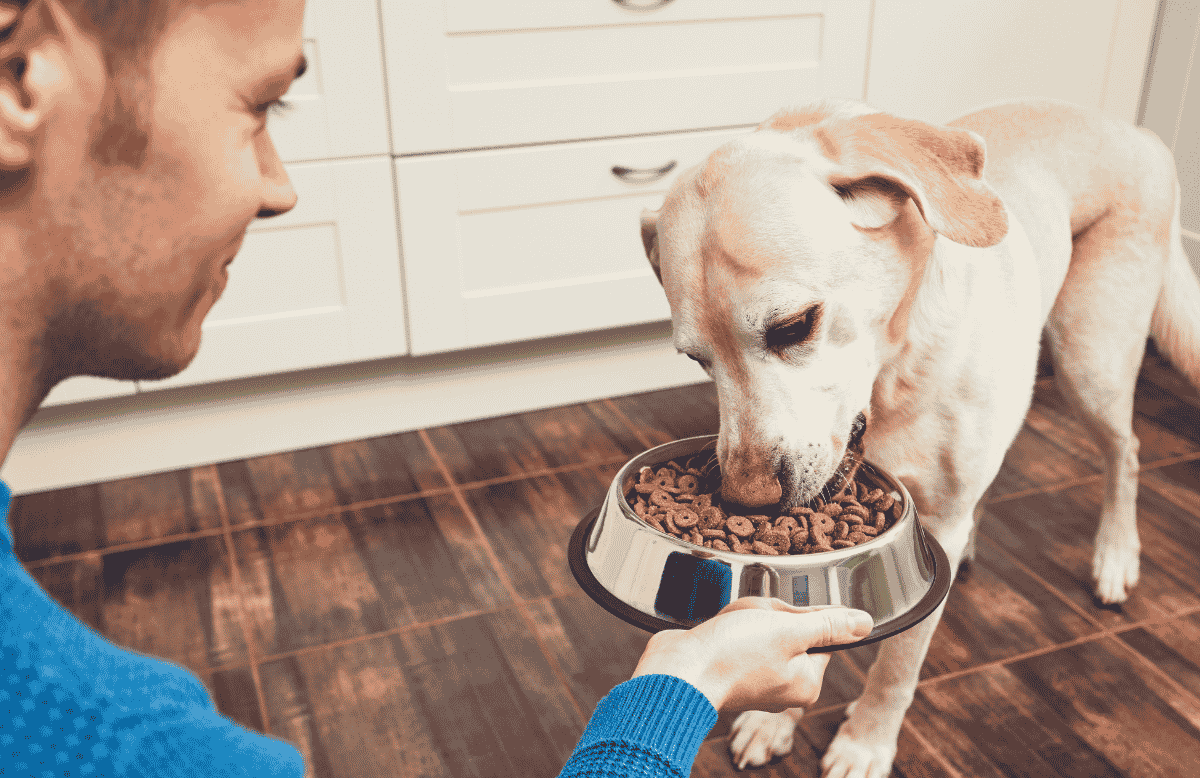
New dog owners feed their dog too much, too often, or the completely wrong things — and have no idea they are doing it.
It is not their fault. Nobody hands you a manual when you bring a dog home. You are figuring out food brands, portion sizes, meal times, and treat limits all at once, usually while a very enthusiastic dog is staring at you waiting to be fed right now.
This guide cuts through the confusion. What to actually feed your dog, how much, how often, and what to keep far away from his bowl — all in plain language that makes sense from day one.
What this covers: food types, portion sizes, meal frequency, feeding schedules, foods to avoid, and how to tell if your dog’s diet is actually working.
1. What Should You Actually Feed Your Dog?
Dogs are omnivores, meaning they can digest both animal and plant based foods. But their bodies are built to thrive on animal protein as the foundation of their diet. The quality of protein your dog eats directly affects his muscle condition, coat health, energy levels, and immune system.
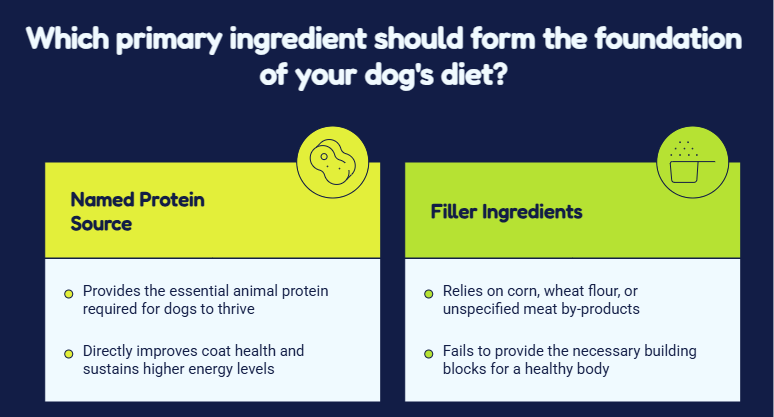
When choosing dog food, the first ingredient on the label matters most. Look for a named protein source as the first ingredient — chicken, beef, lamb, salmon, or turkey. If the first ingredient is corn, wheat flour, or something called meat by-products without specifying the animal, that food is built around fillers rather than nutrition.
Main food types available:
- Dry kibble — convenient, affordable, supports dental health, long shelf life
- Wet food — high moisture content, more palatable, great for hydration
- Mixed feeding — combining both gives you the benefits of each
- Raw diet — uncooked meat and vegetables, requires careful research and handling
For most dog owners, especially beginners, a high quality dry kibble as the base with occasional wet food mixed in is the most practical and nutritionally sound approach.
2. How Often Should You Feed Your Dog?
Meal frequency should match your dog’s life stage. Puppies have small stomachs and high energy needs — they need more frequent smaller meals. Adult dogs do well with a consistent twice daily routine. Senior dogs often benefit from smaller more frequent meals as digestion slows.
| Life Stage | Age | Meals Per Day | Food Type |
| Puppy | 0 to 6 months | 3 to 4 times | Puppy formula |
| Junior | 6 to 12 months | 2 to 3 times | Puppy or adult mix |
| Adult | 1 to 7 years | Twice daily | Quality adult food |
| Senior | 7 years and above | Twice daily | Senior formula |
Consistency matters more than most owners realize. Feed at the same times every day. Dogs have strong internal clocks and irregular feeding times create low level anxiety that affects mood and digestion.
3. How Much Should You Feed Your Dog?
Portion size depends on your dog’s weight, age, activity level, and the specific food you are using. The feeding guide on the back of your dog food packaging gives you a starting point based on body weight — use it as your baseline and adjust from there.
The simplest way to check if your dog is eating the right amount is a physical assessment. Run your hands along his ribcage — you should be able to feel individual ribs without pressing hard, but they should not be visible. Looking from above, there should be a clear waist behind the ribcage.
4. What Foods Are Dangerous for Dogs?
Some human foods that seem harmless are genuinely toxic to dogs. Every dog owner needs to know this list and keep these items completely inaccessible.
- Chocolate — contains theobromine which dogs cannot process, potentially fatal
- Onion and garlic — damage red blood cells even in small amounts
- Grapes and raisins — can cause sudden kidney failure
- Xylitol — artificial sweetener found in sugar free products, highly toxic
- Macadamia nuts — cause weakness, tremors, and vomiting
- Cooked bones — splinter and can puncture the digestive tract
- Avocado — contains persin which causes vomiting and diarrhea
If your dog consumes any of these, contact your vet immediately rather than waiting to see if symptoms develop.
5. Water — The Most Important Part of Your Dog’s Diet
Fresh clean water available at all times is not optional — it is the single most important element of your dog’s daily intake. Dogs need approximately 50ml of water per kilogram of body weight every day.
Wash water bowls daily. Bacteria builds up quickly in water bowls left unchanged, and dogs will sometimes refuse water that smells stale even when they are thirsty.
6. Treats — How Much Is Too Much?
Treats are a valuable training tool and a way to strengthen your bond with your dog. But treats add calories to his daily intake, and most dog owners significantly underestimate how much those calories add up.
The standard guideline is that treats should make up no more than ten percent of your dog’s total daily calorie intake. If you are using treats heavily in a training session, reduce his meal portions slightly that day to compensate.
Practical Tips
- Feed at the same times every day — morning and evening for adult dogs
- Always measure portions — do not eyeball it
- Fresh water available 24 hours a day without exception
- Transition new food gradually over 7 to 10 days to avoid digestive upset
- Keep treats under 10 percent of daily calories
- Check body condition monthly and adjust portions accordingly
- Never feed directly from your plate — it encourages begging
- If appetite changes significantly, contact your vet
Frequently Asked Questions (FAQs)
Q1. My dog finishes his food in seconds and then looks for more. Is he still hungry?
Probably not. Dogs eat quickly by instinct regardless of hunger level. If his weight is healthy and he is energetic and comfortable, he is eating the right amount. A slow feeder bowl is a simple and effective solution if fast eating is a concern.
Q2. Can I feed my dog the same food every day or should I vary it?
Dogs do not need variety the way humans do and actually do better with consistency. Constantly switching foods causes digestive upset. Find a high quality food that works well for your dog and stick with it.
Q3. My dog is refusing his food. What should I do?
A single skipped meal is not usually cause for concern. If your dog refuses food for more than 24 hours, or if refusal is accompanied by other symptoms, contact your vet. Never add extra treats or human food to encourage eating.
Q4. Should I feed my dog before or after exercise?
Always after, and wait at least 30 minutes to an hour. Feeding immediately before vigorous exercise significantly increases the risk of bloat in dogs, particularly in large deep chested breeds.
Q5. How do I know if my dog’s current food is working well for him?
Look at the evidence in front of you. A dog eating the right food has a shiny coat, consistent energy, firm well formed stools, a healthy weight, and clear bright eyes. If any of these things are consistently off, the food is worth reviewing with your vet.
Final Thoughts
Food is where dog care starts. Get it right and everything else — energy, coat, digestion, behavior — tends to follow. It does not need to be complicated. Quality food, consistent portions, regular meal times, and fresh water every single day. That foundation covers most of what your dog needs from you nutritionally.
The rest you will figure out as you go. 🐶
Looking for premium quality dog food and treats in Bangladesh?
PetFeedy carries trusted brands delivered straight to your door. Contact Us
Email: info@petfeedy.com
Website: www.petfeedy.com