Signs of a Sick Dog: How to Know When Your Dog Needs Help

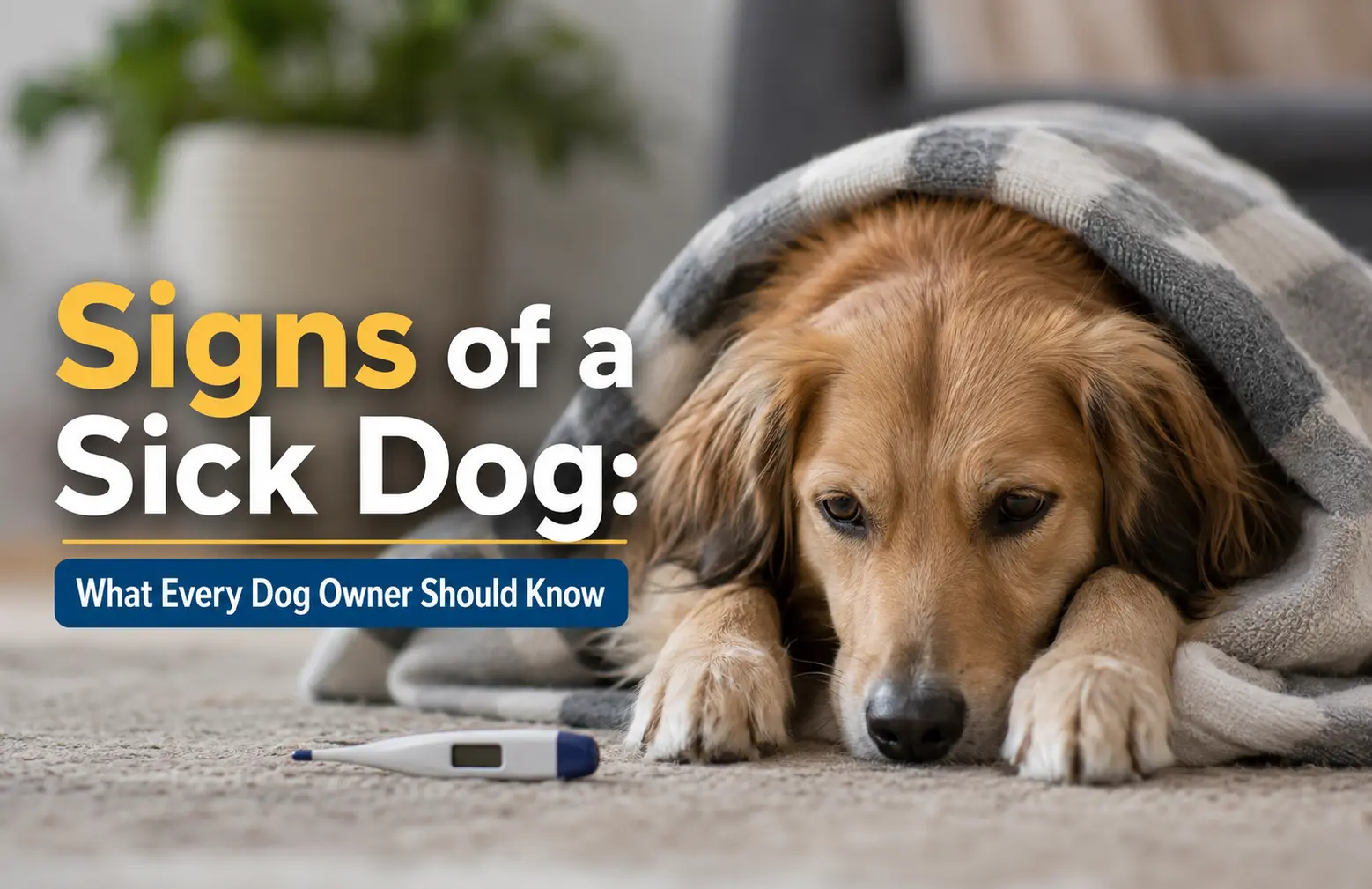
Most dog owners don’t realize something is wrong until it’s been wrong for a while.
That’s not carelessness. That’s just the reality of living with a dog. They don’t slow down dramatically when something hurts. They carry on — tail wagging, following you around, doing all the things they normally do — while something quietly builds underneath.
By the time the signs become obvious, the problem has usually been there longer than anyone realized.
Learning to spot early warning signs isn’t about becoming anxious over every sneeze. It’s about knowing your dog well enough to notice when something shifts — and acting on it before a small problem becomes a serious one.
What this guide covers: the key warning signs of a sick dog, what they typically point to, when you need a vet immediately, and simple habits that help you stay ahead of problems.
Changes in Eating and Drinking Habits
Food is one of the most reliable windows into how your dog is actually feeling. Most dogs are enthusiastic, consistent eaters. When that changes, something is usually going on.
Skipping one meal occasionally isn’t cause for alarm. But a dog who refuses food for more than 24 hours, or has suddenly lost interest in meals he used to finish in seconds, deserves attention.
Drinking habits are just as telling. A dog suddenly drinking far more water than usual can be an early sign of diabetes, kidney disease, or a hormonal condition. A dog who stops drinking almost entirely is heading toward dangerous dehydration faster than most owners expect.
These two things — appetite and water intake — are often the very first indicators that something is off. Start paying attention to both daily.
Vomiting and Diarrhea — Knowing When It’s Serious
Every dog vomits occasionally. Eating too fast, getting into something they shouldn’t — these cause one-off vomiting that resolves within a few hours on its own.
What’s genuinely concerning is different. Repeated vomiting throughout a day, vomiting that contains blood, or vomiting combined with a swollen belly and complete loss of appetite — that combination needs a vet, not more waiting.
Diarrhea follows the same logic. One loose stool after a dietary change is normal. Diarrhea lasting more than 24 hours, containing blood, or arriving alongside vomiting and weakness is not something to manage at home.
One combination worth knowing specifically: a visibly bloated or hard belly alongside unsuccessful attempts to vomit can indicate bloat — a condition that is life-threatening and moves extremely fast. If you see this, get to a vet immediately without waiting.
Lethargy and Behavior That Feels Different
Nobody knows your dog’s normal better than you do. That knowledge is one of the most useful things you have when something changes.
A dog who suddenly has no interest in his walk, ignores toys he’s always loved, or spends the whole day flat on the floor is communicating something. One quiet day might just be tiredness. Two or three days of noticeably lower energy with no obvious explanation is a pattern worth taking seriously.
Behavior changes matter just as much as physical ones. A dog who becomes suddenly snappy when he’s normally gentle is often reacting to pain somewhere in his body. A social dog who starts hiding from the family is frequently a dog who isn’t feeling well.
| Behavior Change | What It Often Indicates |
|---|---|
| Sudden aggression or snapping | Pain or physical discomfort |
| Hiding and withdrawing | Illness or internal pain |
| Restlessness at night | Discomfort or anxiety |
| Loss of interest in play | Lethargy or underlying illness |
| Flinching when touched | Injury or localized pain |
When your dog’s behavior feels different to you, take that seriously. You know him. That instinct is rarely wrong.
Physical Signs Worth Checking Regularly
Some signs of illness are visible if you know what you’re looking for. Building a quick check into your daily routine means you notice changes early rather than weeks after they started.
Eyes should be clear and bright. Cloudiness, redness, or unusual discharge are signs worth investigating.
Ears should smell neutral and look clean inside. A strong smell, dark buildup, or a dog constantly shaking his head almost always means an infection that needs treatment.
Gums are something most owners never check but absolutely should. Healthy dog gums are pink and moist. Pale, white, grey, or blue gums indicate serious problems and mean an immediate vet visit — not tomorrow, today.
Coat and skin tell you a lot about internal health. Dullness, excessive shedding, bald patches, or persistently irritated skin all suggest something is off, whether that’s diet, allergies, or parasites.
| Physical Sign | Possible Cause |
|---|---|
| Pale or white gums | Shock, anemia, internal bleeding |
| Cloudy or red eyes | Infection, injury or cataracts |
| Dull or patchy coat | Poor nutrition or skin condition |
| Swollen or hard belly | Bloat or internal issue |
| Unexplained weight loss | Parasites, diabetes or organ disease |
Breathing and Movement Problems
A resting dog breathes quietly and effortlessly. Labored breathing, persistent coughing, or breathing with an open mouth when your dog isn’t hot or recently exercised are all signs something needs checking.
An occasional cough after drinking water too fast is nothing. A cough that keeps coming back, sounds wet, or comes with exercise intolerance could point to kennel cough, a respiratory infection, or early heart disease.
Watch how your dog moves too. Limping that doesn’t resolve within a day, stiffness getting up from the floor, or reluctance to use stairs he normally takes without thinking are signs of joint or muscle pain. Older dogs especially develop arthritis that owners often write off as simply aging. They deserve proper pain management, not just acceptance that they’re slowing down.
When to Go to the Vet Without Waiting
Some situations are not ones to monitor from home. Go immediately if your dog has a visibly swollen or hard belly, is struggling to breathe, has pale or blue gums, has collapsed, has been vomiting repeatedly for several hours, has consumed something toxic, or is in obvious severe pain.
For less urgent but still important concerns — appetite loss beyond 24 hours, diarrhea with blood, a new lump that appears suddenly, or anything that simply feels wrong — a same-week appointment is the right call.
Never feel embarrassed calling your vet about something that turns out to be minor. A good vet would always rather hear from a concerned owner than see a dog brought in too late.
FAQs
Q1. My dog vomited once but seems fine now. Should I worry?
Probably not if it was a single episode and he’s back to normal. Watch him through the rest of the day. If he eats his next meal well and doesn’t vomit again, he most likely ate something that disagreed with him. If it repeats or he seems quiet, call your vet.
Q2. How can I check if my dog is dehydrated at home?
Gently pinch the skin on the back of your dog’s neck and release it. In a properly hydrated dog the skin returns to normal immediately. If it stays lifted or returns slowly, your dog may be dehydrated and needs veterinary attention.
Q3. My dog seems quieter than usual for a few days but is still eating. Worth calling the vet?
Yes, worth a call. Appetite alone doesn’t confirm everything is fine. Persistent low energy over two to three days without an obvious explanation is something a vet should know about, especially if anything else feels slightly different.
Q4. How often should a healthy dog visit the vet?
Once a year for a routine checkup and booster vaccinations is the baseline for healthy adult dogs. Dogs over seven benefit from checkups every six months because age-related conditions develop faster and respond much better to early detection.
Q5. Can stress cause physical symptoms in dogs?
Absolutely. Chronic stress can cause digestive upset, coat changes, appetite loss, and behavioral shifts that look very similar to illness. If your vet rules out physical causes, look at recent changes in your dog’s environment or routine.
Your Dog Is Counting on You to Notice
Dogs are loyal beyond what they should probably be. They’ll keep following you around when they don’t feel well. They won’t complain, won’t slow down dramatically, and won’t ask for help in any language you can easily hear.
That loyalty means the responsibility sits entirely with us. Not to be anxious over everything — but to be observant enough to notice when something genuinely feels different, and confident enough to act on it.
The owners who catch things early aren’t the ones with veterinary knowledge. They’re the ones who were paying attention.
Looking for quality dog food, supplements, and health products you can actually trust? petfeedy.co carries everything your dog needs — trusted brands, delivered anywhere in Bangladesh.